The Savages Review
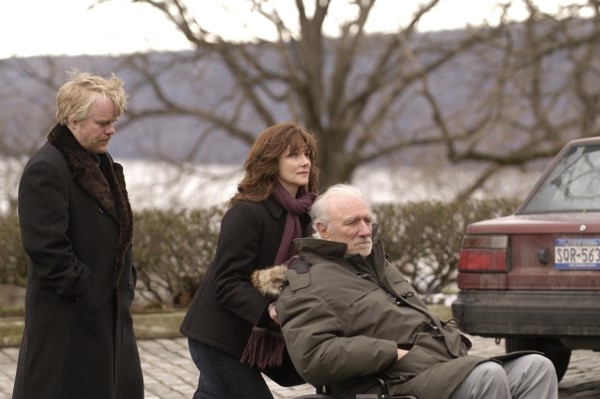
Films rarely capture real life, relatable moments, let alone with any kind of regularity, but Tamara Jenkins’ “The Savages” does it.



Films rarely capture real life, relatable moments, let alone with any kind of regularity, but Tamara Jenkins’ “The Savages” does it.
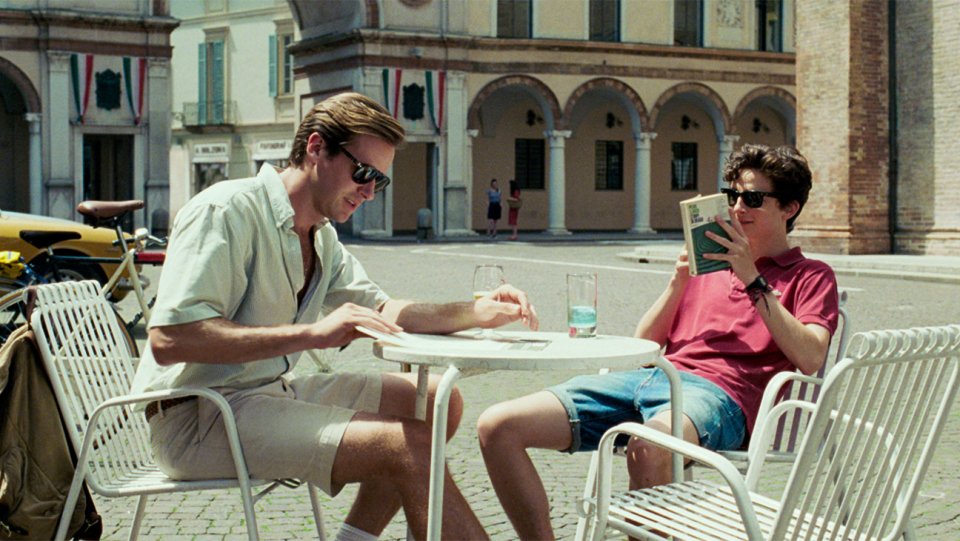
“Call Me by Your Name” recounts a magical whirlwind of a summer young romance in the ‘80s, but shares very few qualities of most films that have told a similar story. Luca Guadagnino’s film fits squarely in the definition of arthouse rather than in the mainstream or even “indie” mold of nostalgic romantic comedy.

In a time of strong female images and an ever-growing, ever-graying definition of feminism, a film like “Professor Marston and the Wonder Women” feels especially important. Both the origin story of comics’ biggest female superhero and a portrayal of a norm-shattering romantic relationship decades ahead of its time, Angela Robinson’s film is robust and maybe […]
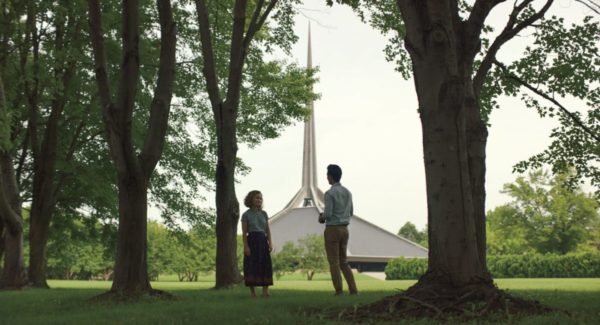
The quiet indie drama “Columbus” won’t win over many mainstream moviegoers, but cinema academic-turned-filmmaker Kogonada has crafted a visually immaculate feature debut that can be compared to little else.
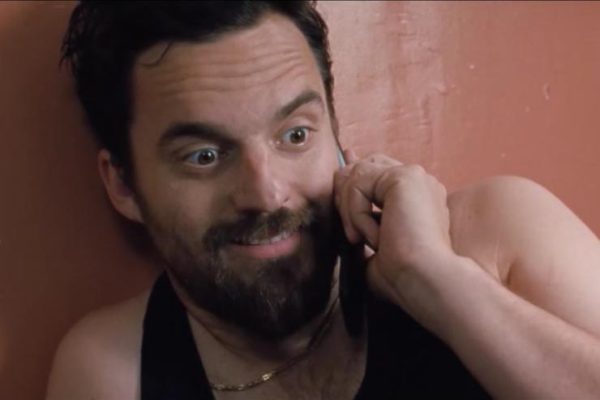
Chicago-centric writer/director Joe Swanberg has teamed up yet again with Netflix and his favorite everyman actor, Jake Johnson, for another straight-shooting comedic drama in “Win It All.” Although Swanberg bets once more on his honest-to-goodness, real people living everyday life approach to storytelling, this film has a much stronger narrative focus, marking another step forward […]

“Lucky” puts us squarely into the boots of a nonagenarian — the routine, the attitude and the unknown. We follow Lucky (Harry Dean Stanton) as he goes about his day in the tiny desert town where he lives and his interactions with everyone from the employees at his favorite diner to the convenience store clerk […]
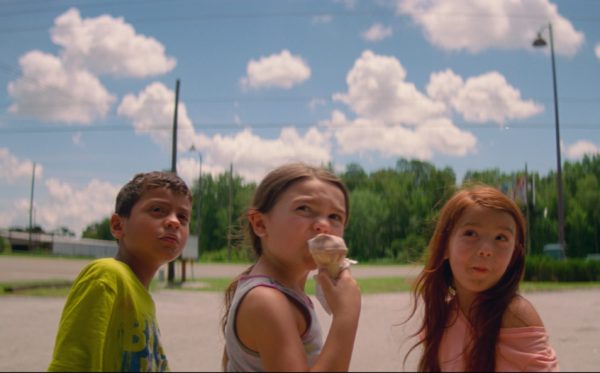
We normally associate Orlando, Florida with the vibrant commercialism and magic of Walt Disney World and the Universal Studios theme parks, but in the shadow of Cinderella’s castle lie motels like the Magic Castle, where indie filmmaker Sean Baker invites us to journey in “The Florida Project.”

A veterinary school freshman (Garance Marillier) develops a taste for raw flesh in the feature debut of French filmmaker Julia Ducournau. Part horror film, part coming-of-age drama, “Raw” is a visceral gut-punch of a film both in story and visuals, to the point that it is not recommended for the squeamish. That said, it’s gore […]

Within minutes, “Lady Macbeth” sets a familiar period romance stage: a very young woman in 19th century rural England is sold into marriage to a cold fish husband and an even nastier father-in-law and in her isolation begins an affair with the stable groom on the family estate. We immediately sympathize with Katherine (Florence Pugh) […]

Films that seem to make time stop or get us to consider how the small thread that is our lives fits into the massive tapestry of the universe are rare. Their artistic ambition usually leads to divisiveness among audiences, like an abstract painting that confounds one person but strikes a nerve in the next. “A […]
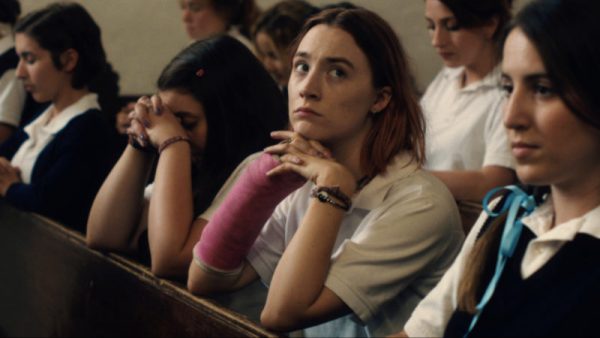
Coming-of-age films from green, independent filmmakers have a tendency to hit their mark at a surprisingly higher rather than other stories, but something about Greta Gerwig’s “Lady Bird” feels more like a bull’s-eye. Her semi-autobiographical snapshot of a high school senior exploring her identity has an assured wit and a firm grasp on the emotional […]
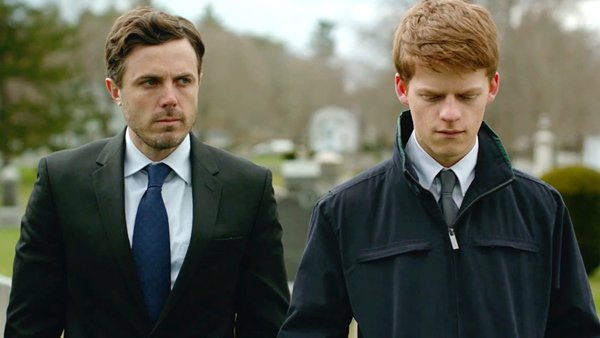
“Manchester by the Sea” takes place in the dead of winter in the small Massachusetts coastal town of the title. This bleak setting and the stark, grim imagery that accompany it set the tone for Kenneth Lonergan’s third feature film, which explores grief and our darkest demons in a way so authentic it can get […]
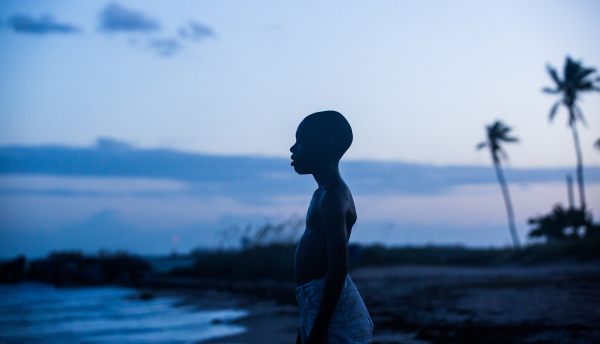
Belonging, love, identity – not everyone grows up a gay black man with a drug addict mother and no father like Chiron, the main character in Barry Jenkins’ “Moonlight,” but his struggle to find and be himself resonates across all lines of race, gender, ethnicity and sexual orientation.
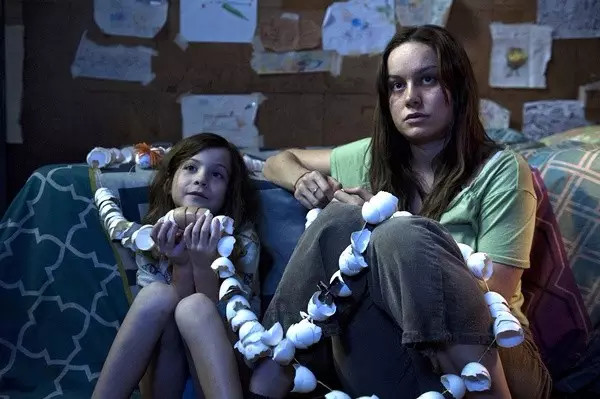
Although less commercially driven, “Room” is to 2015 as “Gone Girl” was to 2014: An acclaimed film based on an acclaimed book adapted for the screen by the author that takes the viewer into deep, psychologically troubling places. Obviously, “Gone Girl” is a mystery thriller with a creepy darkness to it, while “Room” is more […]
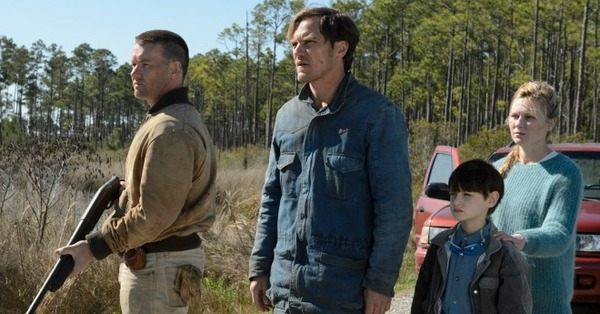
There are few under-the-radar writer/directors as hot as Jeff Nichols. The “Mud” and “Take Shelter” filmmaker is an extraordinary visual storyteller, and his streak continues in “Midnight Special,” a family drama dressed as a sci-fi thriller.
 Mark:
This movie was shit. I kept hoping that the Kurgan would finally behead Lambert’s McLeod...
Mark:
This movie was shit. I kept hoping that the Kurgan would finally behead Lambert’s McLeod...
 Max:
You better listen up, that movie inspired Disney to change Reboot Ralph to Wreck-It Ralph,...
Max:
You better listen up, that movie inspired Disney to change Reboot Ralph to Wreck-It Ralph,...
 Ron:
Great show, love those girls. Thanks for the site....
Ron:
Great show, love those girls. Thanks for the site....
 Beverly Reason:
Denzel is such a great actor. Check out The Equalizer. Bad to the bone plus exceptionally ...
Beverly Reason:
Denzel is such a great actor. Check out The Equalizer. Bad to the bone plus exceptionally ...
 Michael:
Agreed on all accounts! I cannot wait to watch this one again. It was simply brilliant. Th...
Michael:
Agreed on all accounts! I cannot wait to watch this one again. It was simply brilliant. Th...